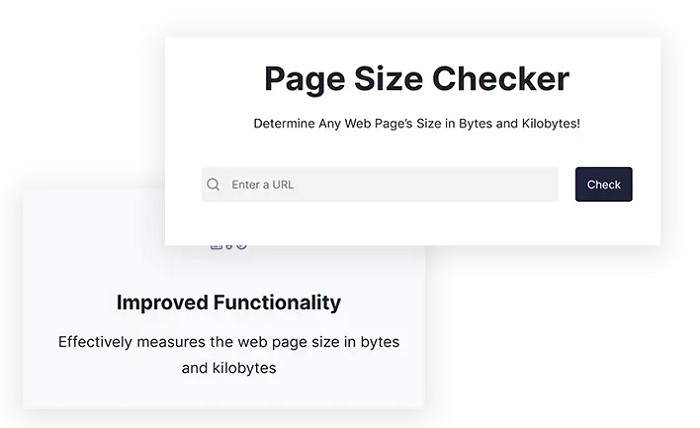
The term page size checker spellmistake is commonly searched by people who want to analyze the size of a web page but accidentally type the keyword incorrectly. A page size checker spellmistake usually happens when users search for online tools that measure the total size of a webpage, including HTML, CSS, JavaScript, images, and other files. Despite the spelling issue, the intent behind page size checker spellmistake is to find a reliable way to improve website performance and loading speed.
A page size checker spellmistake keyword may look unusual, but it reflects how real users search online. Many bloggers, SEO experts, and web developers intentionally target such keywords because they still receive traffic from search engines. Understanding the intent behind page size checker spellmistake can help content creators optimize their articles for real-world search behavior.
Why Page Size Matters for Website Performance
When discussing page size checker spellmistake, it is important to understand why page size is critical for websites. The size of a webpage directly affects loading speed, user experience, and search engine rankings. Large web pages take more time to load, especially on slower internet connections or mobile devices. People searching for page size checker spellmistake are often trying to identify performance issues that may be slowing down their sites.
Search engines like Google prioritize fast-loading websites because users prefer pages that load quickly. A website with excessive page size can lead to higher bounce rates and lower engagement. By using tools associated with page size checker spellmistake, website owners can monitor their page weight and make improvements that benefit both visitors and SEO rankings.
Another reason why page size checker spellmistake searches are popular is because modern websites often include large media files, animations, and scripts. Without proper optimization, these elements can dramatically increase page size and hurt performance.
How a Page Size Checker Works
A page size checker spellmistake search usually leads users to tools that calculate the total size of a webpage. These tools scan the website and measure all components loaded when the page opens. This includes HTML files, CSS stylesheets, JavaScript scripts, fonts, images, and videos. A page size checker spellmistake tool helps users identify which elements consume the most bandwidth.
Most page size checker spellmistake tools work by sending a request to the website and analyzing the server response. The tool then generates a report showing the total page size and loading time. Some advanced tools also provide suggestions for reducing page size and improving speed.
Using a page size checker spellmistake tool regularly allows website owners to maintain better performance over time. As websites grow and add more content, the page size can gradually increase without the owner realizing it. Regular monitoring helps prevent unnecessary slowdowns.
Another advantage of a page size checker spellmistake tool is that it can reveal hidden issues, such as oversized images or unused code. Fixing these problems can significantly improve user experience and search engine visibility.
Common Causes Behind Large Page Sizes
Many users searching for page size checker spellmistake are trying to discover why their websites are loading slowly. One of the biggest causes of large page sizes is uncompressed images. High-resolution images can dramatically increase the total size of a webpage. A page size checker spellmistake tool can quickly identify images that need compression or resizing.
Another common issue linked with page size checker spellmistake is excessive JavaScript and CSS files. Some websites use too many plugins, frameworks, or external libraries, which can increase page weight unnecessarily. Reducing unused scripts can make a major difference in loading speed.
Videos and animations are also significant contributors to page size. Website owners who search for page size checker spellmistake often discover that embedded videos consume a large amount of bandwidth. Using lazy loading or external hosting platforms can help reduce the impact.
Poor coding practices are another reason why page size checker spellmistake tools become necessary. Redundant code, unnecessary spaces, and duplicate scripts can all increase page size. Minifying HTML, CSS, and JavaScript files can help solve these issues.
SEO Benefits of Using a Page Size Checker
The keyword page size checker spellmistake is closely connected with SEO because website speed is a ranking factor. Search engines favor websites that provide fast and smooth experiences. By using a page size checker spellmistake tool, website owners can identify performance problems before they affect rankings.
A fast-loading website improves user engagement, which can increase average session duration and reduce bounce rates. People searching for page size checker spellmistake are often focused on improving Core Web Vitals and technical SEO performance.
Mobile optimization is another major SEO benefit related to page size checker spellmistake. Since many users browse on smartphones, reducing page size ensures that websites load efficiently on mobile networks. Google’s mobile-first indexing makes this even more important.
Another SEO advantage of page size checker spellmistake tools is better crawl efficiency. Smaller and optimized pages allow search engine bots to crawl websites faster and more effectively. This can improve indexing and visibility in search results.
Website owners who consistently monitor their sites using page size checker spellmistake tools often notice better conversion rates and improved customer satisfaction. Faster websites create a more professional impression and encourage users to stay longer.
Best Practices to Reduce Website Page Size
People searching for page size checker spellmistake are usually looking for actionable solutions to improve performance. One of the best methods is image optimization. Compressing images without losing quality can greatly reduce page size. Tools like WebP conversion and lazy loading can help achieve better results.
Another useful strategy connected to page size checker spellmistake is minifying CSS and JavaScript files. Removing unnecessary characters, spaces, and comments can reduce file sizes significantly. Combining multiple files into a single file can also decrease HTTP requests.
Caching is another important technique for users researching page size checker spellmistake. Browser caching allows returning visitors to load pages faster because some files are stored locally on their devices. This reduces bandwidth usage and improves overall performance.
Content Delivery Networks (CDNs) are also commonly recommended in discussions about page size checker spellmistake. CDNs distribute website content across multiple servers worldwide, allowing users to access files from a nearby location. This improves loading speed and reduces server strain.
Removing unused plugins and unnecessary widgets is another smart practice related to page size checker spellmistake. Many websites install features they rarely use, which increases page size and slows performance. Regular audits can help eliminate unnecessary resources.
Common Spelling Mistakes Related to Page Size Checker
The keyword page size checker spellmistake itself highlights the importance of spelling variations in search behavior. Many users accidentally type phrases like “page size cheker,” “page sze checker,” or “page size cheacker.” Despite these mistakes, search engines usually understand the intended meaning behind page size checker spellmistake queries.
Content creators often optimize for page size checker spellmistake because misspelled keywords can still generate organic traffic. However, it is important to use these keywords naturally and avoid excessive repetition. Search engines prioritize useful and readable content even when targeting a page size checker spellmistake keyword.
Another interesting aspect of page size checker spellmistake searches is voice search behavior. People using voice assistants may pronounce words differently, leading to unusual search phrases. Optimizing content for real-world search patterns can help websites capture more traffic.
Understanding user intent behind page size checker spellmistake searches allows businesses to create content that answers questions effectively. Even though the keyword contains an error, the user’s goal remains clear: finding tools and solutions for website optimization.
Choosing the Best Page Size Checker Tool
When researching page size checker spellmistake, users often want recommendations for reliable tools. Several online tools provide accurate page size analysis and performance insights. Popular options include Google PageSpeed Insights, GTmetrix, Pingdom, and WebPageTest. These platforms help users searching for page size checker spellmistake understand how their websites perform in real-world conditions.
A good page size checker spellmistake tool should provide detailed reports, optimization suggestions, and performance scores. Features like waterfall analysis and mobile testing are especially useful for developers and SEO professionals.
Ease of use is another important factor when selecting a page size checker spellmistake tool. Beginners may prefer simple dashboards, while advanced users may need detailed technical insights. Choosing the right tool depends on the website’s needs and the user’s experience level.
Regularly using a page size checker spellmistake tool can help maintain consistent website performance. Monitoring changes after updates or redesigns ensures that page size remains under control and users continue enjoying a smooth browsing experience.
Conclusion
The keyword page size checker spellmistake may appear unusual, but it represents a valuable topic for website owners, bloggers, and SEO professionals. Understanding webpage size is essential for improving loading speed, user experience, and search engine rankings. A page size checker spellmistake tool helps identify performance issues and provides opportunities for optimization.
From image compression to code minification and CDN usage, there are many ways to reduce page size and improve website efficiency. Even though the keyword contains a spelling mistake, the search intent behind page size checker spellmistake remains highly relevant in the world of technical SEO and web development.
By regularly monitoring page size and following best practices, website owners can create faster, more user-friendly websites that perform well in search engines and deliver better experiences to visitors.
FAQs
1. What does page size checker spellmistake mean?
The keyword page size checker spellmistake refers to misspelled searches related to tools that measure website page size and loading performance.
2. Why is page size important for SEO?
Page size affects loading speed, user experience, and search rankings. Using a page size checker spellmistake tool helps improve website performance.
3. Which tools are best for checking page size?
Popular tools connected with page size checker spellmistake include Google PageSpeed Insights, GTmetrix, Pingdom, and WebPageTest.
4. How can I reduce my website page size?
You can optimize images, minify code, enable caching, and use CDNs to reduce page size and improve speed related to page size checker spellmistake optimization.
5. Can spelling mistake keywords still rank in Google?
Yes, keywords like page size checker spellmistake can still rank because search engines understand user intent and display relevant content.