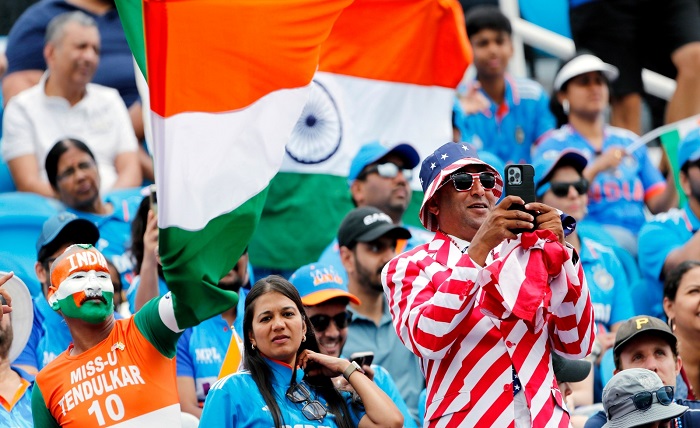
A cricket match is no longer complete without the final ball. The scoreboard may cease to update, players may come out of the game, and the broadcast may switch to post match commentary, but the game continues to go through the phone. The six symbolizes a short clip. Chats that have a wicket become a replay. A celebration becomes a reel, a story or a highlight that fans replay before the noise dies down.
For many supporters, desi cricket live is no longer only about following the score as it happens. It’s also about what happens next: clips, comments, reactions, reposts, and the little pieces of digital magic that keep a match alive after the official result is announced. Cricket is always about emotion but short form has brought a second innings to it.
The Replay That Starts the Second Innings
A live match creates urgency. A clip creates memory. That difference explains why fans return to short videos after the game. During live play, attention moves quickly from one ball to the next. After the match, a clip slows the moment down and lets people revisit what they felt.
A great shot may look different on replay because the viewer can notice the timing, footwork, crowd reaction, or bowler’s response. A catch may feel sharper when seen from another angle. A run-out may become clearer only after several views. Clips allow fans to study the moment without the pressure of the next delivery.
This is where the second life of cricket begins. The match produces the event, but the clip gives it shape. It turns a passing moment into something that can be saved, shared, and discussed.
From Live Score to Saved Clip
Live scores help fans stay connected when watching every ball is impossible. A score update can show the state of the match, but it cannot carry the full feeling of the moment. Clips fill that gap. They show the shot, the body language, the crowd energy, and the reaction that numbers leave out.
A fan checking updates during work or travel may later search for the turning point. A friend might send the winning boundary into a group chat. A short reel may explain why everyone suddenly started talking about one over. This creates a bridge between those who watched live and those who joined late.
Saved clips also help fans take ownership of the match experience. They collect the moments that mattered to them personally. One person saves a clean cover drive. Another saves a bowler’s celebration. Someone else keeps a funny crowd reaction. Each saved clip becomes a private bookmark inside a shared sporting memory.
The Reel Pavilion
Social platforms have become the new pavilion after the match. Fans gather there to replay moments, add captions, argue over decisions, and turn highlights into emotional snapshots. A clip is rarely left alone. It gets edited, cropped, captioned, slowed down, reacted to, and sent into different circles.
This is especially natural for cricket because the sport has many small turning points. One ball can shift the mood. One over can change the conversation. A single fielding mistake can become the most shared moment of the day.
Short clips work because they match how people consume sports on mobile screens. A fan may not have time for a full highlight package, but a 20 second replay fits into a quick break. It can be watched while commuting, waiting, eating, or scrolling at night. The format is light, but the feeling can be strong.
The reel pavilion is also where fans add personality to the match. A clip with a plain caption may inform. A clip with the right caption can make people laugh, argue, or remember the exact emotion of the over.
The Highlight Hunt
Some cricket moments refuse to disappear. Fans search for them from different angles, with different commentary, and in different edits. A rare shot, a close review, a heated celebration, or a sudden collapse can keep resurfacing across feeds because people want to relive the turning point.
This hunt is not always about the result. Sometimes fans want the build-up. Sometimes they want the reaction of the non-striker, the silence after the wicket, or the crowd shot that captured the mood better than the commentary. Clips make those details easy to isolate.
A highlight becomes powerful when it does more than show what happened. It gives fans a reason to talk. Was the shot brave or reckless? Was the field placement smart or risky? Did the bowler lose control, or did the batter create pressure? These questions keep the match moving through comments long after the final score is known.
The best clips act like conversation starters. They do not replace the match. They reopen it.
The Chat That Keeps the Crowd Awake
Group chats are where many clips find their loudest audience. A highlight sent into a family group or friend circle can restart the match even hours later. Someone reacts with a joke. Someone defends a player. Someone sends another clip. The game returns through fragments, and the crowd reforms around the phone.
This is why post-match content feels so social. Fans are not only watching a replay. They are using it to connect. Cricket gives them a shared reference point, while clips make that reference quick and visual.
The digital crowd has its own rhythm. It can wake up after a late-night match. It can carry a rivalry into the next morning. It can make one ball feel bigger because people keep sending it back into the conversation.
For creators and sports platforms, this behavior matters. Fans want clips that are easy to find, easy to understand, and easy to share. They want moments that carry context without needing long explanation. A good cricket clip should show the action clearly and leave enough room for the fan’s own reaction.
The Digital Boundary Line
Cricket now moves across two timelines. The first is the live match, where every ball creates pressure. The second is the clip cycle, where the strongest moments return, travel, and gather new meaning. The scoreboard records the outcome. The clips reveal what fans want to remember.
This shift has changed the way cricket lives online. A match can end in the stadium but continue across reels, stories, chats, and saved videos. The crowd may leave the seats, but it gathers again in comments and messages.